
The Operations Brief Roundtable · No. 02 ·
Which operational improvements are worth the investment
How manufacturers decide which operational improvements to fund, and what has to be true for the money to pay off.
At the table
What we talked about
-
Buyers feel the pain first
Kirsten finds that buyers usually know something is wrong. They can't always see every way to fix it. Sometimes the first step is cleaning up the data already in the system, the facility layout or the org structure, before any new software.
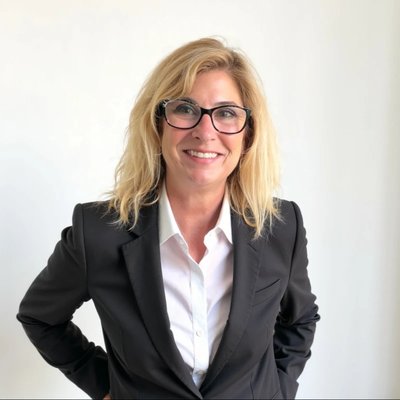 Kirsten Austin, DCSC Inc.
 -
Phase it and get a win early
Every transformation project takes time, money and resources. Kirsten's advice is phase planning over a big-bang rollout, so the team gets a win under its belt. Without adoption from the whole team, any project can fail.
Kirsten Austin, DCSC Inc. -
Watch what supervisors let slide
Before a big change, Gerald checks for a framework people actually understand, in every department. In Gerald's example, one supervisor sees forklift forks three feet off the ground and says something, and another walks by. Gerald calls that a big cultural gap in communication and clarity of goals.
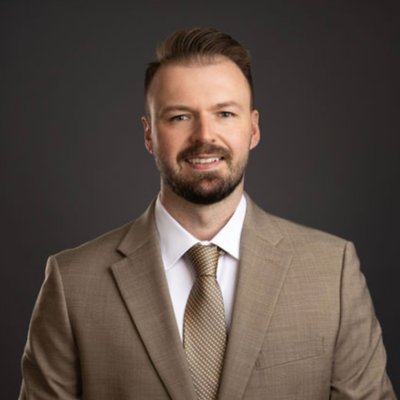 Gerald Miezin, EHS Value Systems
 -
Price the cost of doing nothing
Safety and continuity gains are hard to fit into a payback number, so Gerald builds the case from the cost of doing nothing: lost time, turnover, quality concerns and engagement, pulled from operations and HR cost centers. "Keep people safe" alone isn't enough from a financial standpoint.
Gerald Miezin, EHS Value Systems -
Urgent work wins the budget
Maintenance, safety and insurance risk get approved fast. Optimization is high value but rarely urgent, so it fights for the same dollar and often loses. Madhur translates it into production rate, flaring and off-quality material, then puts the ROI on it.
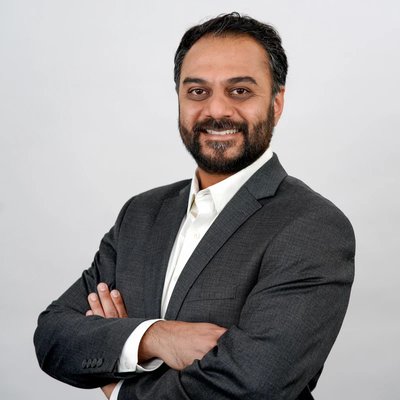 Madhur Bedre, Atlas Prediction Control
 -
Ask what happens after the ROI
Plants run for decades through supplier, raw material, grade and staffing changes. Madhur sees a blind spot past the ROI: who implements it, runs it and keeps it tuned. With attrition, many projects have no internal champion left to carry them.
Madhur Bedre, Atlas Prediction Control
In their words
“If you don't have adoption by all of your team members, any project, no matter what you throw at it, could fail.”
Kirsten Austin President, DCSC Inc.“You can have a supervisor who walks past a forklift with the forks three feet off the ground, and he's going to say something. They should be four to six inches off the ground. The other supervisor walks by and says nothing. There's a big cultural gap there.”
Gerald Miezin Founder & CEO, EHS Value Systems“How is it going to help operations maximize their production rates? How is it going to reduce flaring? How is it going to reduce off-quality material? Once you put that ROI on it, that's something that's easier for the decision makers.”
Madhur Bedre President, Atlas Prediction Control“You've got to create a business case for everything. It's not just what does it cost. What is the cost of doing nothing? And you really have to define that.”
Gerald Miezin Founder & CEO, EHS Value Systems“I think there's a blind spot in organizations. You look at ROI, but what about post-ROI? What about implementation and execution and long-term sustainment?”
Madhur Bedre President, Atlas Prediction Control“You really need someone that can champion and unite all your different departments, really push that project, check the milestones, constantly check in and get the opinions of other people. Otherwise it's just going to die on the vine.”
Kirsten Austin President, DCSC Inc.Want a seat at a future table?
Panelists are operators, integrators and industrial vendors. Sessions are small and informal. If you'd like a seat, send us a note. You can also see every session and panelist.